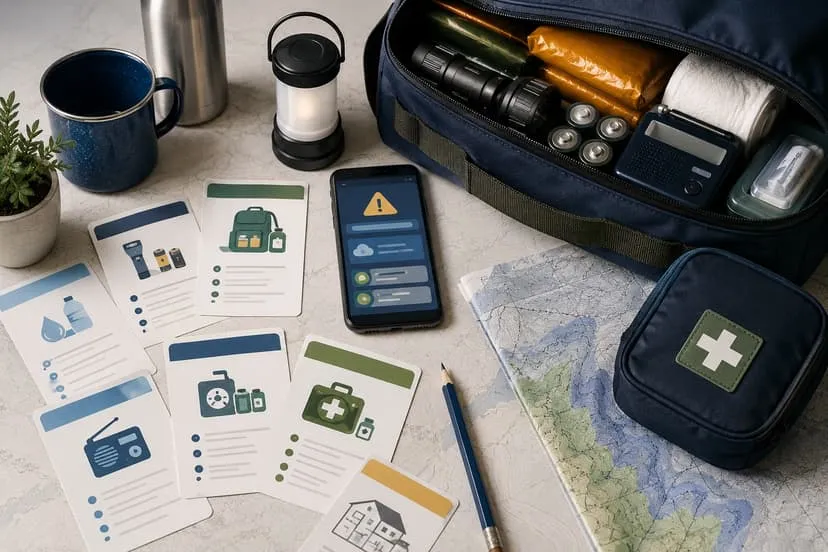
Emergency preparedness is often pictured as flashlights, bottled water, batteries, and shelf-stable food. Those supplies matter, but they are only part of a useful household plan. During an evacuation, extended outage, severe storm, or sudden disruption, families may also need identification, insurance details, medical information, contact numbers, and a clear way to reconnect if everyone is in a different place.
Preparing these details in advance can reduce confusion when normal routines are interrupted. The goal is not to carry every original record you own. It is to identify the information your household may need, protect it, and make sure trusted people know where to find it.
Start With the Records That Matter Most
A practical document folder should focus on records that support identification, communication, health needs, property questions, and recovery. A useful starting point is a checklist of important documents to keep in emergency kit, then adjust it for your household.
Depending on your circumstances, useful records may include copies of identification, passports or birth certificates, lease or mortgage information, vehicle records, insurance policies, emergency contacts, and basic financial contact details. Households with children may also want school or caregiver information. Pet owners can add vaccination records, medication notes, and a recent photo.
Health and access information deserves special attention. Keep a written list of medications, pharmacies, medical or device providers, allergies, accessibility needs, and instructions that another trusted person could understand. If someone relies on refrigerated medication or powered equipment, record the relevant provider contacts and backup plan.
Store Information Without Creating a New Risk
Preparedness should not mean leaving sensitive information exposed. A portable paper folder can be useful, but it should be kept in a protected location that household members can reach when needed. Digital copies can provide another layer of access if they are stored securely.
Avoid putting passwords, full account credentials, or unnecessary sensitive details in an easily accessible emergency bag. The purpose is to make essential information available, not to create an identity-theft risk.
It also helps to decide who should have access. If one person manages most records, a trusted adult should still know where emergency information is kept in case the usual person is unavailable.
Build a Communication Plan Around Real Life
Documents answer, “What information do we need?” A communication plan answers, “How do we find each other and make decisions?”
A family emergency communication plan template can help households organize contact numbers, meeting locations, official alert sources, and responsibilities before an emergency happens. The plan should fit the way your household actually lives, including school schedules, work locations, transportation limits, pets, caregiving duties, and accessibility needs.
Choose more than one meeting place. A spot outside the home may work for a building evacuation, while a neighborhood location may be better when the immediate area is disrupted. An out-of-area contact can also help when household members are separated.
Keep key phone numbers on paper. A phone can be lost, locked, damaged, or out of power, so important contacts should not exist only in a device.
Give Everyone a Simple Role
Emergency roles can reduce confusion, but they should remain flexible. One person might normally bring the document folder, another may handle pet supplies, and another may contact the out-of-area person. Every important role should have a backup.
A simple household plan can cover:
- who checks official alerts and utility updates;
- who helps children, older adults, or people with access needs;
- who gathers pets and essential supplies if time allows;
- who contacts the designated family or out-of-area contact.
No role should require someone to delay urgent protective action or enter an unsafe area. Official evacuation, shelter, school, utility, and emergency instructions should always take priority.
Review the Plan Before You Need It
Preparedness information becomes outdated quickly. Phone numbers change, insurance policies renew, children change schools, families move, medications are updated, and caregiving arrangements shift.
Review the document folder and communication plan periodically and after major household changes. Replace outdated copies, update contact information, and make sure meeting locations still make sense. A short practice conversation can also reveal gaps. Ask each household member whom they would contact, where they would meet, and which official sources they would follow.
Conclusion
A useful emergency plan is not built from supplies alone. Families also need organized records, reliable contacts, realistic meeting choices, and simple responsibilities that can still work when normal routines fail. Start with the documents that would be hardest to replace or most useful during recovery, store them securely, and connect them to a communication plan everyone understands. Small preparation now can make stressful decisions clearer later, while official local guidance should always shape what the household does during an actual emergency.